Bob Stupak and the Stratosphere Story

A 1,149-foot tower does not appear on the Las Vegas skyline by accident. The Stratosphere, now known as The Strat, came from the imagination of Bob Stupak, one of the city’s most colorful casino figures. He was a promoter, gambler, risk-taker, and self-made showman who understood something basic about Las Vegas: people remember what they can see from miles away.
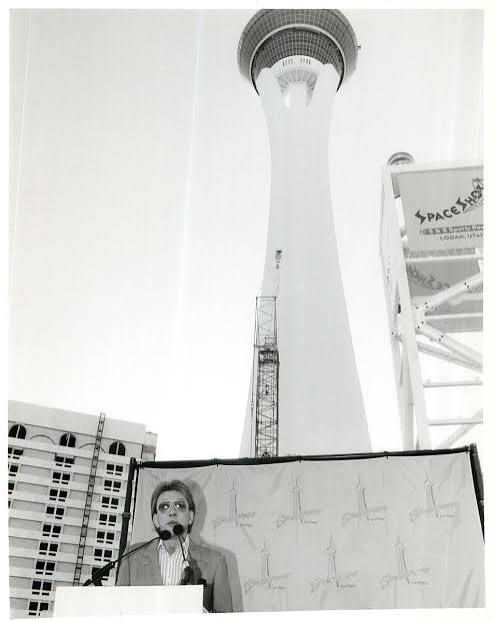
Bob and the Stratosphere in Las Vegas
For tourists, the tower is easy to treat as just another landmark. Its real story is stranger and more ambitious. It begins far from the Strip, with a Pittsburgh-born casino operator who built his career on attention, spectacle, and long odds.
Bob Stupak grew up far from the Las Vegas Strip
Bob Stupak was born Robert Edward Stupak in Pittsburgh, Pennsylvania, in 1942. He grew up in a working-class environment, and gambling was part of the world around him early in life. That background shaped his instincts. Stupak did not come to Las Vegas as a polished corporate resort executive. He arrived as someone who understood action, odds, and publicity.
Before the Stratosphere, Stupak built a reputation as a gambler and casino promoter. He became known for bold advertising, unusual casino ideas, and a willingness to take risks that more traditional operators avoided. In a city full of attention-seekers, he still managed to stand out.
His first major Las Vegas identity came through Vegas World, a casino-hotel located on Las Vegas Boulevard north of the main Strip. It was themed around space, futurism, and cosmic imagery. Vegas World was not the most luxurious property in town, but it had personality. Stupak filled it with promotions, package deals, and gimmicks that drew curious visitors.
That mattered. The north end of the Strip did not have the same glamour or foot traffic as the resort corridor farther south. Stupak needed a way to make people look north.
The idea for the Stratosphere came from Vegas World’s need to stand out
The Stratosphere idea grew out of Stupak’s biggest business problem: location. Vegas World sat away from the densest part of the Strip, and Stupak knew that a standard casino expansion would not be enough. He needed a landmark so tall and strange that tourists could not ignore it.
His answer was a tower.
The concept matched both his personality and the Vegas World space theme. A sky-high observation tower could serve several purposes at once:
It would create a visible icon for the north Strip.
It would give visitors a reason to make a special trip.
It would extend Vegas World’s outer-space identity into the skyline.
It would compete through spectacle rather than size alone.
The tower was first closely tied to Vegas World, but the plan grew into something much larger. Stupak envisioned a full resort anchored by what would become the tallest freestanding observation tower in the United States.
For anyone tracing Las Vegas, Stratosphere history, this is the key point: the tower was not just an attraction added to a casino. It was the attraction that justified the casino.
Construction began in the early 1990s and faced serious setbacks
Construction on the Stratosphere project began in 1992. The plan called for a hotel, casino, retail areas, restaurants, and the massive observation tower. It was one of the most ambitious projects ever attempted on that part of Las Vegas Boulevard.
The project did not move smoothly. In 1993, a major fire broke out during construction and damaged parts of the tower. The fire delayed the project and added to the sense that Stupak’s dream was vulnerable. Financing also became a serious challenge. Building a tower of that scale required far more capital than a clever casino promoter could easily control on his own.
By the mid-1990s, Stupak no longer had the same control over the project. Grand Casinos, led by Lyle Berman, became heavily involved and helped carry the development toward completion. Stupak remained central to the origin story, but the finished resort was no longer simply a Bob Stupak production.
Construction was completed in time for the resort’s public opening on April 30, 1996. The tower rose to 1,149 feet, making it one of the most recognizable structures in Nevada. Even in a city known for oversized dreams, the Stratosphere looked extreme.
The project cost hundreds of millions of dollars
The Stratosphere was not a modest construction project. The completed resort and tower cost about $550 million, a huge sum for its time and especially for that stretch of the Strip.
That figure reflected more than the tower itself. The full project included the casino, hotel rooms, restaurants, public attractions, observation decks, and entertainment spaces. The tower also required specialized engineering because it had to support visitors, rides, elevators, dining areas, and high winds.
The cost made the Stratosphere a bold bet. Las Vegas in the 1990s was entering a new era of themed megaresorts. The Mirage had changed expectations in 1989, followed by properties such as Excalibur, Luxor, and Treasure Island. Against that backdrop, the Stratosphere offered a different kind of spectacle. It did not recreate ancient Egypt or pirate fantasy. It used height as its main attraction.
That made it memorable, but it also made the financial stakes intense. The resort needed strong casino play, hotel occupancy, and tourist traffic to justify the investment.
The grand opening drew excitement and mixed reactions
The Stratosphere opened on April 30, 1996, with the kind of attention a giant Las Vegas tower was bound to receive. Crowds came to see the view, the casino, and the newest headline attraction in town. The opening had fireworks, ceremony, and a strong sense of curiosity. Many people wanted to experience the observation decks and look down over the Strip from a height no other Las Vegas attraction could match.
The public reaction, though, was not purely celebratory. Visitors and media recognized the tower as dramatic and impressive, but the resort faced questions almost immediately.
The biggest issue was location. The north Strip still lacked the surrounding resort density that helps properties feed traffic to one another. A tower could pull attention from a distance, but attention did not always convert into sustained casino business.
Early financial performance fell short of expectations. The property struggled after opening, and the company behind it soon faced serious pressure. In 1997, Stratosphere Corporation filed for bankruptcy protection. That did not erase the tower’s importance, but it showed how difficult it was to turn a spectacular landmark into a stable gaming business.
The grand opening reaction can be summed up this way: the tower impressed Las Vegas, but the resort did not immediately convince the market.
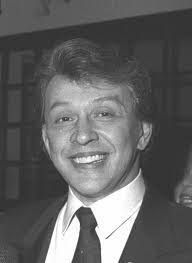
Bob back in the day
Stupak’s legacy still shapes the skyline
Bob Stupak died in 2009, but his most visible idea still stands. The Stratosphere has changed ownership, branding, and operations over the years. Today, as The Strat, it remains a major observation attraction and a defining feature of the Las Vegas skyline.
For tourists, the tower offers more than a high view. It represents a specific Las Vegas tradition: the belief that a single bold idea can change how people see the city. Stupak did not build the safest concept, and he did not complete it without help. Yet he imagined something that outlived the financial drama around it.
The Stratosphere story is part biography, part construction saga, and part Vegas lesson. Bob Stupak saw a weaker location and answered with height. The gamble was expensive, difficult, and controversial, but it gave Las Vegas one of its most unmistakable landmarks.


Comments